Technical Information

Cross-Processing

It's wild like crossing the street without an adult. Your first time will be like Magellan circumnavigating the globe. You just don't know what to expect.

Look closely at most 35mm film cartridges, and you will notice C-41. Develop print film in C-41 chemistry, and you will get back negatives and prints. Develop slide film in E-6 chemistry and you get back slides.
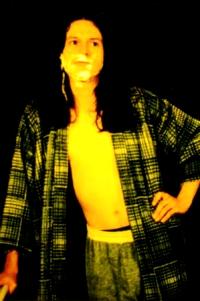
"...blue on my robe turned black..."
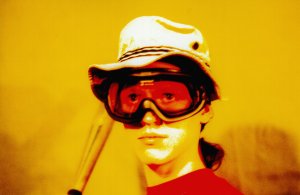
Do it the other way around, and you get bizarre, unpredictable color. The highlights and shadows are blown out. The grain is the size of golf balls. (Close up of grain.) Color shifts are common. I only used two different color backgrounds: black and puke green. The puke green came out yellow when brightly lit (attributable also to the unfiltered tungsten lighting used).

For the photo gallery on this site, I used Kodak Ektachrome 100 Professional. I rated it at 25 ASA (pushed two stops) in my Pentax K1000 camera with a 55mm lens. Pushing two stops is necessary for cross processing. You can do it in your camera, or you can ask your lab to do it (they leave it in the developing fluid longer). Or you can do one of each: push one stop on the camera and one at the lab. (Some labs may charge a fee for push processing.)

I used f2 and 1/8 sec indoors with a bunch of lamps setup. I did not use tungsten film nor an 80A filter. Usually that would be terrible, but in this cause I liked the results. Notice the strikingly different results in daylight.


tungsten (uncorrected) daylight (overexposed)

Don't take your film to a one hour lab; try one a local, professional shop. My lab was really nice and didn't charge me extra for cross processing. Most places don't offer this service. Many charge an additional fee. It's supposed to change the chemistry in their lab, although I have also heard it takes several rolls of film to make it noticeable.

Different films respond differently to cross processing. In general, professional slide films work best. Print films processed into slides yield weak colors and boring results. Older films give the wildest results. My Kodak was expired 12 months when I used it. You can find expired film cheap on Ebay. Experiment. See Virginia Barnes' site for examples using different films.

Here are examples of the film printed as negatives and as slides.

as a negative as a slide

Kudos to my friend Dave who helped me out on this project. The prints came out great. The scans don't do them justice.